
Free VPNs vs Free Proxies: Which Is Riskier?
You need something free. Maybe a site is blocked, maybe you just don't want your IP on display. So you open the app store and type "free VPN". Or you grab a free proxy instead. Both cost nothing. Both can cost you plenty. Here's the short answer: for most people, the random free VPN app is the bigger risk. Not because VPNs are bad. Because an app you install owns your whole device, while a proxy you paste into a browser setting only sees one app's traffic.
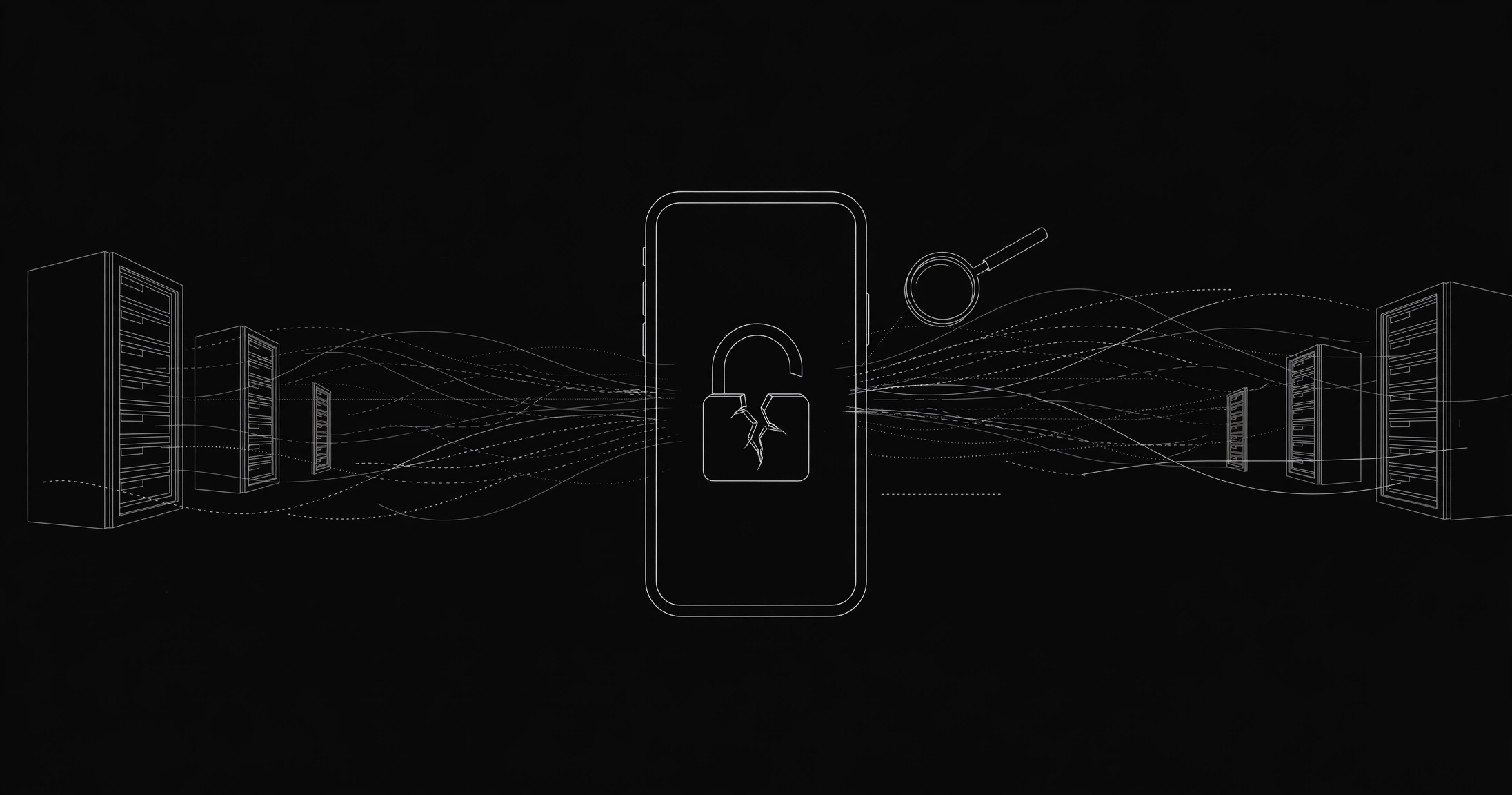
The short answer: same risk, wider blast radius
Both free tools can watch you. A free proxy operator can see which sites you visit. A free VPN company can see that too, plus every other app on your phone. Same risk, wider blast radius. A proxy touches one app. A VPN app touches everything: your browser, your banking app, your email, your location.
That's why the free VPN usually wins the "riskier" title. But hold on. The proxy has its own nasty edge, and for some jobs it's the worse pick. The real question isn't which tool is safer in theory. It's which one is safer for what you're about to do.
Why a free VPN app can hurt you more
Think about what installing a VPN app means. You're handing a stranger's code the keys to your entire connection. It can read your traffic, change your DNS, and in some cases route your bandwidth to other people. I used to think "free" just meant slow speeds and a data cap. The research changed my mind.
CNET looked at free VPN apps on iOS and Android and found that more than 60% raise privacy concerns. Top10VPN ran 100 free Android VPN apps past antivirus tools, and around 20% got flagged as potentially harmful. Researchers at Koi Security caught a Chrome VPN extension with over 100,000 installs that had quietly started screenshotting everything users browsed, bank logins included. Those are measured results, and Norton's roundup of the free VPN research lays them out in one place.
The worst pattern has a name: bandwidth selling. Some free VPNs turn your device into an exit node for other people's traffic. We covered a full case of this in our report on the Avast residential proxy attacks, where 20.8 million attacks were tied to networks built from ordinary users' connections.
A proxy can't do that to you. It never gets installed. Nothing runs on your device, and removing it takes ten seconds in your Wi-Fi settings. That asymmetry is the whole story. A bad proxy sees one browser session. A bad VPN app sees your life.
Prefer watching? This short film walks through the same question, with seven questions to ask before you install any free VPN.
Where a free proxy is the riskier pick
Now the other side, because a free proxy is no saint either. A proxy does not encrypt your traffic. The operator sees the sites you visit, and on plain HTTP pages it can see more than that. Worse, you have no idea who runs it. Our list tests proxies around the clock, and plenty vanish within hours. A proxy that worked this morning can belong to someone else by dinner.
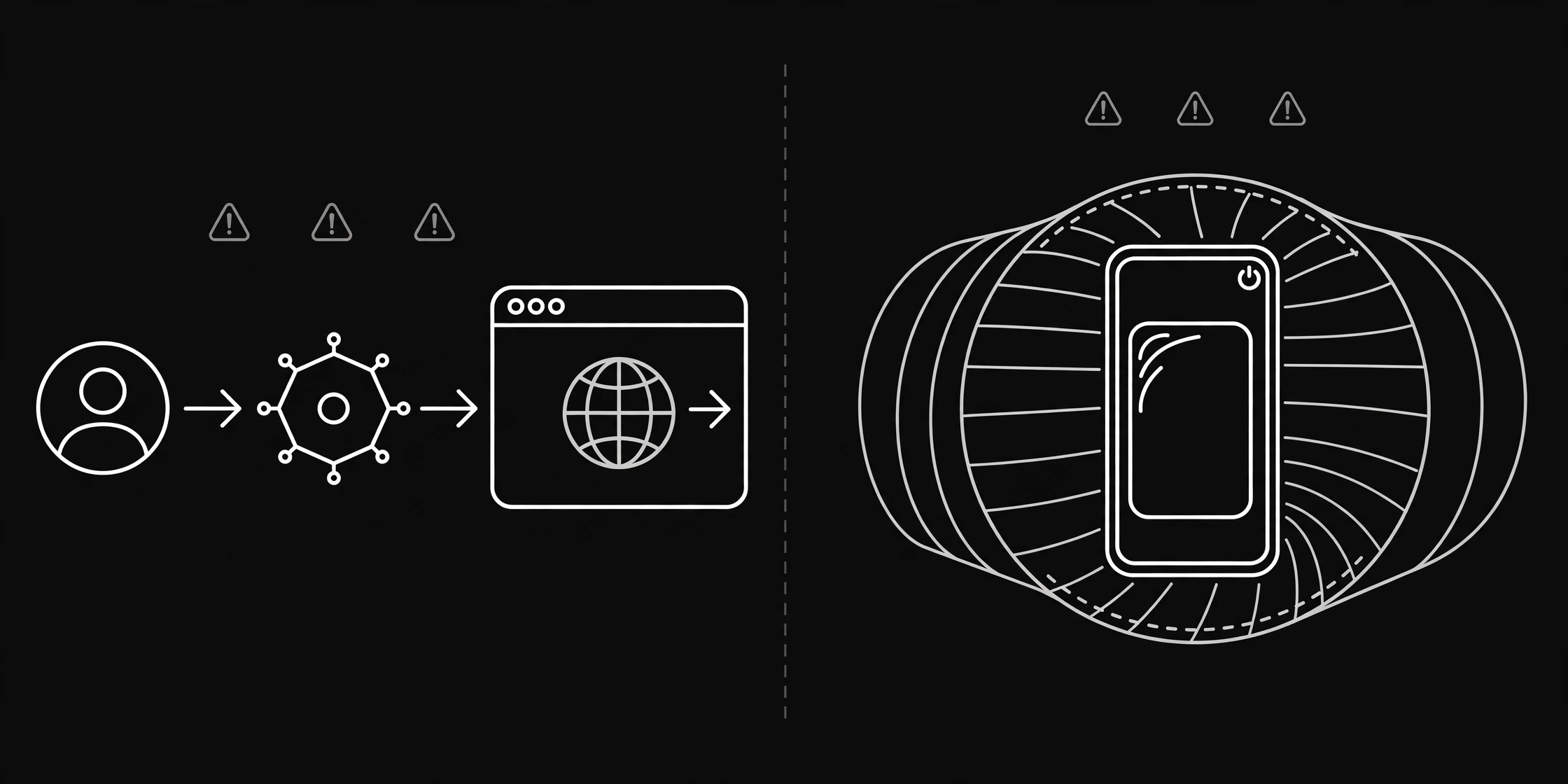
That's why the rules for proxies are blunt: never log in to anything through one. No banking, no email, no social accounts. We wrote the full case for that in our post on why you should never use free proxies for banking. A free VPN, even a shady one, at least encrypts the tunnel. A free proxy doesn't even try.
On public Wi-Fi, anyone on the same network can sniff unencrypted traffic, and a proxy does nothing to stop them. So if your job involves passwords or money, a free proxy is the wrong tool, full stop.
The 5-minute check before you install anything
Don't trust a privacy tool's own marketing. Run this check first. It takes five minutes.
- Follow the money. If the app is totally free, unlimited, and shows no ads, ask how the servers get paid. No clear answer? Walk away. The honest free options are limited free tiers of paid services.
- Read the permissions. A VPN app needs network access. It does not need your contacts, your files, or permission to draw over other apps. Extra permissions are a red flag, not a feature.
- Search the name plus "data breach" and "sells data". Real scandals show up fast. If the first page is full of complaints, believe the complaints.
- Try a tested proxy first for low-risk jobs. If all you need is a different IP to check a page or unblock a video, paste a tested proxy into your browser instead of installing anything. Our Proxy Checker verifies one in seconds, and the What Is My IP page shows you exactly what the site sees. As I write this, our live list holds 4,423 tested proxies, so pick one with a fresh green check instead of trusting a random stranger's server.
- Leak-test after you connect. Open the VPN Leak Test page and check for IP, DNS and WebRTC leaks. A VPN that leaks is worse than no VPN at all, because it makes you feel safe while you're exposed. Our guide on how to check if your proxy is leaking your real IP walks through all five checks.
Already installed a shady free VPN? Do this now
Maybe you installed one months ago. Don't panic. Fix it in ten minutes. Uninstall the app, then check your phone's VPN profile in settings and delete any leftover profile. Change the passwords for any account you used while it was connected, starting with email and banking. Then run our leak test and the What Is My IP check to confirm your real address is back.
If the app asked for odd permissions, like contacts or files, treat that as a breach and watch those accounts for a while.
So which one should you pick?
Match the tool to the job. Take Sara. She wants to watch a show that's blocked where she lives. She installs a free VPN app, grants every permission it asks for, and watches three episodes. What she doesn't see: the app logging every site she visits, all week, on every app. A tested proxy in her browser would have done the same job with a fraction of the exposure.
Quick, low-risk job like checking a blocked page? Use a tested free proxy from the proxy list. Need real privacy on public Wi-Fi, or need to hide your activity from your ISP? That's a VPN's job, but pay for a reputable one, or use the limited free tier of a service that also sells paid plans. Our honest proxy vs VPN comparison breaks down exactly when each one wins.
If something is free, unlimited, and nobody can explain how it makes money, the answer is you. You're the product.
Comments
Loading comments…
Leave a comment